Running a business in the UAE often means dealing with fast timelines, growing teams, and increasing pressure to stay organized. But behind the scenes, many companies are still managing operations through spreadsheets, scattered tools, and manual steps that don’t really connect. It works for a while, but as things grow, it starts slowing everything down.
The problem isn’t always visible at first. Delays in reporting, missed follow-ups, and unclear workflows build up over time and make day-to-day operations harder than they need to be. For teams trying to scale or improve efficiency, these small gaps can become a real challenge.
That’s where custom software automation in the UAE comes in. Instead of adjusting your processes around generic tools, businesses are now building systems that actually match how they work.
If you’re considering custom software development in the UAE, this guide will help you understand where automation fits, what it improves, and how to approach it in a practical way.
Why is Automation Critical for UAE Businesses?
As businesses grow, the way operations are managed starts to show its limits. What works in the early stages, like manual tracking, spreadsheets, and back-and-forth approvals, begins to slow down once teams expand and processes become more layered. For many UAE businesses, this is the point where efficiency starts slipping without it being immediately obvious.
This shift is already quite visible and has led many organizations to consider custom software automation in the UAE as a more structured way to manage operations.
According to Microsoft, 64% of the UAE’s working-age population is actively using AI, showing how quickly businesses are moving towards automation-driven systems.
Automation is important for a few key reasons:
Reducing Operational Costs
Manual processes don’t just take time; they often lead to duplicated work, missed steps, and unnecessary overhead. With structured systems in place, businesses can reduce repetitive tasks and use their resources more efficiently through personalized solutions like niche software development.
Minimizing Human Error
Small errors in data, reporting, or communication can create bigger problems over time, especially in areas like finance, sales, or compliance. With business process automation in the UAE, companies can standardize workflows and reduce inconsistencies, particularly when supported by systems built through custom CRM development.
Improving Speed and Efficiency
In a fast-moving market like the UAE, delays in approvals or coordination can slow down progress. With workflow optimization in the UAE, teams can remove bottlenecks and keep processes moving without constant follow-ups.
Staying Aligned With UAE Regulations And Digital Direction
Automation helps businesses stay aligned with digital transformation in the UAE. Regulations like the Personal Data Protection Law (PDPL) require secure data handling, while initiatives such as the UAE Digital Government Strategy 2025 push companies towards modern, connected systems. Reducing manual processes makes it easier to stay compliant, consistent, and efficient.
For Emirates-based businesses, this means automation is no longer just about convenience. It’s becoming part of staying competitive and keeping operations manageable as they grow.
Key Areas Businesses Automate with Custom Software
Automation doesn’t happen all at once. Most businesses start by fixing specific areas where things feel slow, repetitive, or difficult to manage. Over time, these improvements connect and create a more structured way of working.
Here are the main areas where custom software automation in the UAE is making the most impact:
Workflow & Task Automation
Day-to-day operations often depend on how smoothly tasks move from one person to another. When this isn’t structured, delays and confusion become common.
- Managing employee tasks with clear ownership and deadlines
- Automating approval processes so decisions don’t get stuck
- Connecting cross-department workflows to avoid constant follow-ups
This is where workflow automation in the UAE helps teams stay aligned without needing manual coordination at every step. These improvements are often supported by automation tools for businesses in Dubai that reduce dependency on manual coordination.
Inventory & Supply Chain Management
For businesses dealing with physical projects, even small gaps in inventory handling can create larger operational issues.
- Real-time stock tracking across locations
- Order management with fewer manual updates
- Forecasting demand and planning procurement more accurately
With the right system in place, businesses can reduce stock shortages, avoid over-ordering, and keep supply chains more predictable. Many companies now rely on operational automation software in Dubai to manage supply chains more accurately. In many cases, businesses also bring in ERP solutions to keep inventory, procurement, and operations connected without relying on separate systems.
Financial & Accounting Processes
Finance is one of the areas where manual errors can have the biggest impact. Automation helps bring structure and consistency.
- Billing and invoicing without repeated manual entry
- Payroll management with fewer errors
- Expense tracking that stays updated automatically
This level of consistency is one of the main reasons companies invest in custom software automation in the UAE.
Customer Relationship & Sales Automation
Customer-facing processes are often spread across multiple tools, which makes it harder to track interactions clearly.
- CRM integration to keep all customer data in one place
- Automated follow-ups so no opportunity is missed
- Sales pipeline tracking for better visibility
This is where systems built through CRM automation solutions make a noticeable difference, especially for teams managing large volumes of leads and interactions. For many businesses, custom software automation in the UAE improves both customer experience and internal coordination.
Benefits of Using Custom Software for Automation in the UAE
The impact of automation isn’t just theoretical.
Once automation is implemented properly, the impact is usually visible across multiple parts of the business:
Built Around Your Actual Processes
Instead of adjusting your workflows to fit a tool, the system fits how your business already works.
Scales As Your Business Grows
You don’t have to rebuild everything when your team, data, or operations expand.
Works With Your Existing Systems
Custom solutions integrate with tools you’re already using instead of replacing everything at once.
Better Visibility Through Analytics
With structured data, businesses can track performance and make decisions based on real insights.
Many companies exploring the benefits of custom software development realize in no time that flexibility becomes more valuable over time than quick, ready-made solutions. Over time, custom software automation in the UAE becomes less about solving immediate gaps and more about supporting how the business runs overall.
Real World Case Study: Custom Software Automation by DynamoLogic Solutions
A USA-based call center was handling large volumes of customer interactions daily, relying heavily on manual processes to review calls and extract insights. While the system worked initially, it became difficult to manage as data grew and decision-making started slowing down.
They came across challenges like:
- Inconsistent transcription due to varied accents and audio quality
- Difficulty analyzing large volumes of call data in a meaningful way
- Limited visibility into customer behavior and sales conversations
- Complex user access requirements across different roles and teams
How We Approached the Project
We focused on building a system that could process, organize, and present data without adding complexity for the end user.
Our approach included:
- AI-powered transcription (Whisper v2)
- Role-based dashboard
- Scalable backend (Azure, SQL)
- Secure access controls
- Real-time notifications
What Our Solution Delivered
Our final product, Question Hive, a web-based platform, combined automation with clear visibility into customer interactions.
It enabled:
- Real-time transcription
- Automated conversation insights
- Customer behavior tracking
- Sales insights
- Role-based data access
What Changed After Implementation
Post-implementation, changes were:
- Faster transcription
- Automated reporting
- Better decision-making
- Clearer customer insights
- More structured operations
Choosing the Right Software Partner in the UAE
Automation works well only when it’s built around your business needs. Having a reliable partner in place plays a big role in that. The right approach to custom software automation in the UAE starts with choosing a partner who understands both technology and business workflows. Working with experienced UAE business software providers ensures your system is built with both scalability and local requirements in mind.
Before starting off, it is important to think through a few things:
Define Your Automation Requirements
Start with clarity. What exactly do you want to improve?
- Which departments need automation?
- How do different systems need to connect?
- What kind of reporting or visibility do you expect?
Evaluate Technical Expertise
Not every technical team understands business operations in depth.
- Look for experience in custom software automation in the UAE.
- Check familiarity with cloud-based automation, APIs, and integrations.
- See if they have worked with businesses similar to yours.
Portfolio & Case Studies
Past work usually tells you more than promises.
- Look for real examples of workflow improvements.
- Check if they have handled UAE-based businesses before.
- Focus on measurable results, not just features.
For example, businesses exploring custom software development in Dubai often prioritize partners who understand local operational challenges and scaling needs.
Pricing & Engagement Models
Automation is an investment, so clarity on pricing matters.
- Fixed vs. hourly vs. long-term engagement
- What is included in development vs. support
- Expected return on investment over time
If you are unsure where to start, understanding custom software development costs can give you a realistic idea before moving ahead.
Cost of Implementing Custom Automation Software in the UAE
The implementation cost of automation software depends on how complex your requirements are and how many systems need to be connected. There isn’t a fixed price because every system is built around different workflows, integrations, and long-term goals.
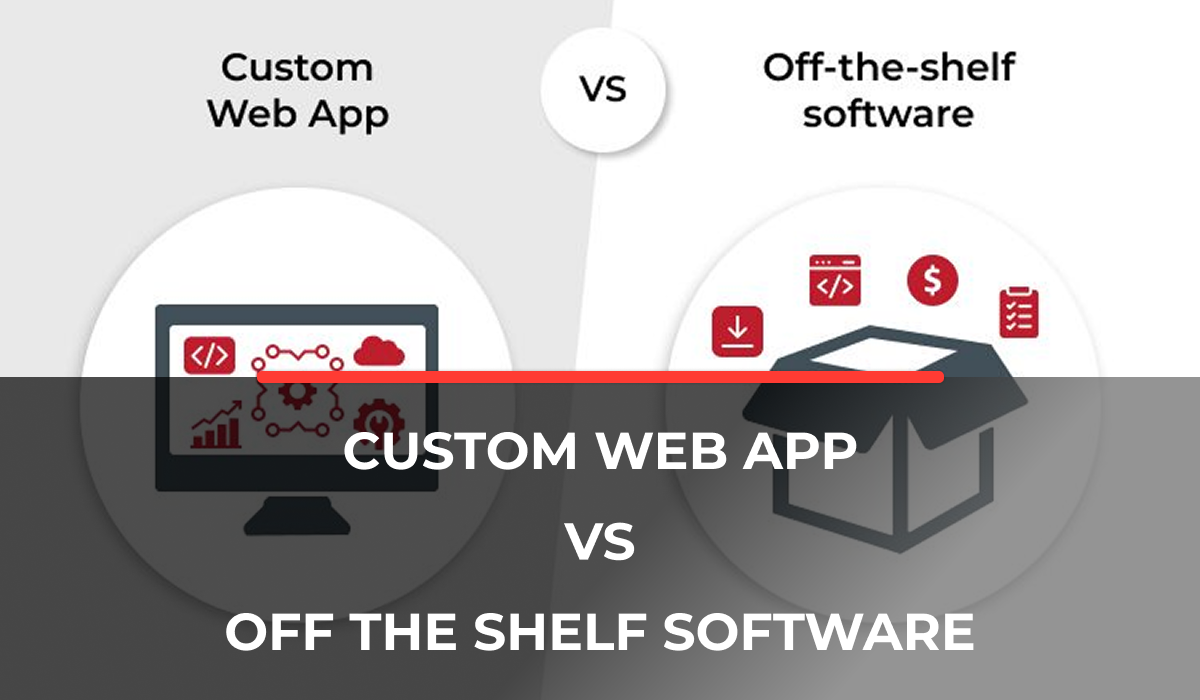
If you’re comparing options, it also helps to understand the difference between custom vs. off-the-shelf software, as this directly impacts both cost and flexibility.
In general, automation projects in the UAE fall into a few common categories:
Basic automation systems (AED 146,000–220,000)
Suitable for simple workflows like approvals or task tracking, these systems usually include standard security layers, basic database connections, and lightweight features such as push notifications or simple dashboards.
Mid-level custom solutions (AED 220,000–440,000)
These systems support more structured workflows across teams, with stronger security measures, integrations with external APIs, and connectivity with tools like CRMs, ERPs, and social media platforms.
Advanced automation systems (AED 440,000–1,100,000)
Built for growing businesses, these include robust security protocols, real-time data processing, multiple system integrations, and advanced capabilities like AI-driven analytics and performance tracking.
Enterprise-grade systems (AED 1,800,000+)
Designed for large-scale operations, these systems focus on scalability, multi-layered security, integration with legacy systems, and the ability to handle complex workflows across multiple departments and locations.
The final cost depends on factors like the number of features, the level of integration, data complexity, and how scalable the system needs to be over time.
Businesses in cities like Abu Dhabi often focus on long-term scalability, reduced manual effort, and better operational control when considering custom software development in Abu Dhabi, particularly for enterprise automation needs.
Red Flags to Avoid
Not every automation project delivers the results businesses expect. In many cases, the problem isn’t the idea of automation, but rather how it is planned and executed. Here are some common issues to watch out for:
- Vendors with no experience in the UAE market dynamics
- Overpromising automation without understanding your workflows
- Lack of post-launch support after deployment or system updates
- Poor documentation or unclear system structure
Another major concern is choosing a vendor that focuses only on features rather than on how your business is running. Without proper alignment, these gaps can lead to more problems later down the line and fail to deliver value.
Taking time to evaluate the right partner and approach can save both cost and effort in the long run.
Future of Business Automation in the UAE
Automation in the UAE is moving beyond basic workflows into more intelligent, adaptive systems. Businesses are no longer automating repetitive tasks; they are building systems that can learn, respond, and improve over time. As this shift continues, businesses are relying more on custom software automation in the UAE to support systems that can adapt and evolve.
A major part of this shift comes from the growing role of AI and machine learning. With initiatives like the UAE National AI Strategy 2031, businesses are increasingly adopting systems that can analyze data, predict outcomes, and support decision-making with greater accuracy.
At the same time, the rise of cloud-based platforms is making automation more accessible and scalable. The UAE’s SaaS market is projected to grow at a strong pace, expected to reach $5 billion by 2030, showing how quickly businesses are moving towards flexible, cloud-driven systems.
Some of the key trends shaping automation include:
- AI-driven insights that help businesses make faster and more informed decisions
- Cloud-based platforms that support remote access and real-time updates
- Real-time dashboards that provide clear visibility across operations
- Continuous monitoring tools that help optimize workflows over time
As these trends continue to evolve, they are influencing how companies approach long-term system design. Companies exploring custom software development in Sharjah and other regions are increasingly focusing on building systems that are not just functional today but also adaptable for the future.
Final Checklist Before Automation Implementation
Before moving ahead with implementation, take a moment to step back and double-check a few things so the system is built on the right foundation. It’s easy to focus on solving immediate problems, but automation works best when it’s aligned with your operational workflows. Taking a little extra time here can help avoid unnecessary changes later on and make the overall process much smoother.
Here is a quick checklist to go through before getting started:
- Clear understanding of what needs to be automated
- Verified experience of your development partner
- Transparent pricing and timelines
- Scalable system design
- Integration with your existing tools
Final Verdict
Automation is no longer something businesses consider later. For many companies in the UAE, it is already becoming a part of how they work and grow. The focus is shifting from adding more tools to building systems that actually make everyday work easier.
If approached correctly, custom software automation in the UAE can simplify operations, improve coordination, and create a structure that supports long-term growth instead of holding it back.
Planning To Automate Your Business Operations in the UAE?
Request a quote today and take the first step towards a more efficient, fully automated business.
FAQs
How can businesses in the UAE automate operations?
Businesses can automate operations by identifying repetitive tasks and replacing them with structured systems that manage workflows, data, and communication more efficiently.
What is the cost of custom automation software in Dubai?
The cost of custom software automation in Dubai depends on complexity. Basic systems range from AED 146,000 to 220,000, mid-level solutions from AED 220,000 to 440,000, advanced systems from AED 440,000 to 1,100,000, and enterprise-grade solutions can exceed AED 1,800,000.
Which processes can be automated with software?
Processes like task management, approvals, inventory tracking, accounting, and customer interactions are commonly automated by using automated software solutions for SMEs in the UAE.
How does custom software improve efficiency in UAE companies?
It reduces manual work, connects systems, and improves visibility, allowing teams to work faster and make better decisions based on accurate data.