
Project Estimator
Get Instant Quote
Avoid budget disasters - get a clear sports prediction app development estimate now!
Don’t leave your project budget to chance. Our intelligent project estimator asks the right questions to give you an accurate quote in minutes, not weeks.
Start Free Estimate
No commitment required

Get results instantly

100% confidential
Who Benefits from Sports Prediction App Development?
Sports prediction apps work best when they help people read conditions, compare form, and make better skill-based choices before the whistle blows. Weather can materially affect performance, and wearable or athlete-monitoring data can help coaches understand workload, recovery, and injury risk. We build around those realities so leagues, clubs, sponsors, start-ups, and performance teams can use prediction tools for engagement, education, and planning without drifting into real-money betting or unfair play.
And when those same live signals are connected to fantasy contests, the product becomes even more valuable. Fantasy sports is essentially the virtual layer of a real match, so every lineup, score swing, injury update, or weather shift changes the experience in real-time. That makes prediction logic useful not only for guidance, but also for fantasy engagement, strategy, and contest fairness.
Here’s who benefits most from that kind of setup:
- Leagues: Simplifying decisions around fixtures and conditions
- Clubs: Creating more engaged, informed fan communities
- Sponsors: Building campaigns around prediction-based participation
- Start-ups: Launching reward systems without betting mechanics
- Medical Units: Guiding training intensity and recovery loads
Common Business Challenges Solved by Our Sports Prediction Apps
Even when the goal is education, planning, or entertainment, sports prediction apps still depend on accurate live data, context, and readable outputs. We build for those needs so users get useful, informed predictions, not random ones.
Weather Blind Spots
 The Problem:
Predictions often miss the impact of wind, rain, heat, and humidity, even though weather can change player performance, pace, and decision-making across many sports.
The Problem:
Predictions often miss the impact of wind, rain, heat, and humidity, even though weather can change player performance, pace, and decision-making across many sports.
 Our Solution:
We combine live weather feeds with sport-specific rules and context layers, so forecasts, fantasy guidance, and planning tools reflect conditions before they affect play.
Our Solution:
We combine live weather feeds with sport-specific rules and context layers, so forecasts, fantasy guidance, and planning tools reflect conditions before they affect play.
Delayed Live Feeds
The Problem:
When score updates, lineup changes, or injury news arrive late, prediction accuracy drops and users lose trust in the app during live matches.
Our Solution:
We use event-driven pipelines, low-latency streaming, and real-time refresh logic. This way, predictions, dashboards, and fantasy-style outcomes stay aligned with live match conditions.
Missed Load Signals
The Problem:
Prediction tools become less useful when they ignore athlete workload, recovery, and injury risk, even though monitoring those factors supports better decisions.
Our Solution:
We incorporate athlete-monitoring inputs and recovery indicators so your sports prediction apps can support training decisions, rehab planning, and safer performance forecasts.
Low User Engagement
The Problem:
Apps that feel static or generic struggle to keep people active, even though personalization and gamification are proven to improve engagement over time.
Our Solution:
We build personalized prediction experiences, rewards, and interactive challenges, encouraging users to keep returning for education, entertainment, and ongoing match-day participation.
Fragmented Data Inputs
The Problem:
When stats, weather, and athlete data live in separate systems, predictions become inconsistent and harder for users to understand or act on.
Our Solution:
We unify those inputs into one decision-ready layer, so the app can combine performance, environment, and context into clearer predictions and planning cues.
Unclear Prediction Logic
The Problem:
Users disengage when prediction outputs feel like a black box, because they want to understand why a recommendation or forecast changed.
Our Solution:
We present predictions with clear drivers, confidence cues, and explainable inputs so planning teams, fans, and education users can trust the result.
Core Features of Our Sports Prediction Apps
No matter which model you choose, these are the features that keep our sports prediction apps useful, social, and easy to scale across markets and seasons.
Fantasy Prediction Engine
This is the core logic layer. It combines live stats, form, schedule context, and configurable rules to generate skill-based prediction experiences that feel current and meaningful.
Group & Chat Features
Private rooms, public groups, invite links, and real-time chat help users compare picks, discuss matches, and keep the app social instead of isolated.
Leaderboards & Rankings
Seasonal and match-based leaderboards update in real-time, with tie-breaker logic and ranking rules that keep competition clear, fair, and easy to follow.
Virtual Rewards & Prizes
Points, badges, streaks, and virtual rewards keep users motivated without real-money mechanics, turning participation into a habit rather than a one-off visit.
Multi-Market Rollout
Regional feature flags, local rule sets, and ad market-specific content let you launch in one country and expand cleanly into others without rebuilding the platform.
Multi-Language Support
Language packs, locale-aware formatting, and translated interface content make the app feel natural across regions, which matters when you are building for global users.
Intuitive UI/UX Design
Mobile-first screens, simple navigation, and clear information hierarchy keep the experience easy to use, especially when users are making fast decisions during live matches.
Live Match Data Sync
Real-time scores, player stats, and match events flow through live feeds and refresh instantly so users always see predictions against current game conditions.
Push Notifications
Match starts, score swings, and prediction reminders arrive as targeted alerts, helping users come back at the right time instead of forgetting the app.
Personalized Recommendations
Behavior-based suggestions can highlight likely picks, relevant contests, or content a user will care about, which makes the app feel more useful over time.
Social Sharing & Referrals
Users can share their predictions, invite friends, and spread the app through social channels, which helps growth without relying only on paid promotion.
Prediction History & Insights
Saved picks, trend views, and performance history help users learn from past decisions, spot patterns, and feel more confident about future predictions.
Technical Architecture of Our Modern Sports Prediction Apps
Core features tell users what the app can do. Architecture decides whether it stays accurate, fast, and reliable when live data, weather, and traffic change by the second.
Real-Time Data Streams
We use AWS AppSync & GraphQL subscriptions and serverless WebSocket connections to keep scores, lineups, and match states synchronized in real-time as events change.
Explainable AI Layer
We pair sports prediction models with explainability, confidence cues, and model metadata so users can see why a forecast changed instead of treating it like a black box.
Weather Context Engine
Live forecasts, heat, humidity, and rain inputs are folded into the model because weather can affect performance, recovery, and match timing across sports.
Scalable Cloud Orchestration
Kubernetes Horizontal Pod Autoscaler (HPA) and containerized services automatically expand capacity when traffic spikes, so prediction refreshes and user sessions stay responsive during major fixtures.
Secure API Gateway
A single GraphQL entry point with fine-grained access control centralizes multi-source data while keeping provider feeds, user accounts, and predictions tightly governed.
Observability & Drift Control
Grafana and Prometheus dashboards track metrics, logs, and traces, while alerting rules flag stale feeds, latency spikes, or model drift before users notice.
Our Sports Prediction App Development Solutions
We build prediction products around real-time scoring, explainable insights, and fair-play engagement, so users get a skill-based experience that feels useful, social, and easy to scale.
Cricket Prediction App Development
Built around ball-by-ball commentary, scorecards, and rain-aware match context, cricket prediction apps need live data pipelines that update quickly across innings, wickets, and format changes.
Football Prediction App Development
Soccer or football prediction apps rely on event-based feeds for lineups, substitutions, assists, clean sheets, and match stats, with real-time updates that stay consistent across leagues and competitions.
Basketball Prediction App Development
Basketball prediction apps need high-frequency stat handling for points, rebounds, assists, steals, turnovers, and usage metrics, so live models can stay accurate during fast-moving games.
Hockey Prediction App Development
Hockey prediction apps work best with shift-level updates, goalie stats, injuries, and status changes because fast pace and small scoring swings can change predictions within seconds.
Tennis Prediction App Development
Tennis prediction apps are built around point-by-point feeds, serve stats, seedings, and live match progress, which helps users predict and track momentum shifts across ATP, WTA, ITF, and Grand Slams.
Baseball Prediction App Development
Baseball prediction apps depend on pitch-by-pitch and play-by-play data, plus player and team metrics, so that forecasts can account for inning changes, batting matchups, and pitcher context.
Custom Sports Prediction App Development
Build bespoke prediction platforms with sport-specific inputs, configurable logic, real-time dashboards, and API-driven backends built around your audience, content model, and engagement goals.
AI-Based Sports Prediction App Development
Design ML-led apps that turn historical stats, sensor data, and live match needs into explainable forecasts, lineup hints, and personalized suggestions through inference APIs.
White-Label Sports Prediction App Development
Get brandable, prebuilt platforms with configurable themes, prediction modules, user flows, and reward mechanics designed for fast launch and later extension without rebuilding core systems.
Multi-Sports Prediction App Development
Design a single backend with multiple sports rulesets, separate scoring logic, data adapters, and UI views so cricket, soccer/football, basketball, and hockey can coexist cleanly.
Fantasy Sports Prediction App Development
Develop AI-assisted fantasy prediction platforms with live scoring, lineup suggestions, leaderboards, and anti-cheat controls, built on real-time data feeds, modular scoring engines, and scalable backend architecture for global audiences.
Athlete Performance Prediction App Development
Develop training-load and injury-risk models that combine workload, recovery, and biometric signals to support rehab planning, readiness checks, and performance guidance for coaches and athletes.
Why Choose Our Sports Prediction App Development?
Great prediction apps are built to be understood instantly, trusted repeatedly, and used consistently. And here’s what helps us deliver exactly that.
18+ Years of Industry Experience
With 18+ years in sports software, we understand what executives need and what users tolerate. That experience shapes better product choices, fewer false starts, and a smoother build process from planning through launch. It also helps us avoid features that look good but do not actually get used.
Best-in-Class UI / UX
Sports prediction apps live or die by how quickly people understand them. We design clean flows for forecasts, matching context and results so users do not have to think twice. This is because research on mobile apps consistently links stronger UX with better retention and conversion.
Top 1% Technical Talent
We work with senior sports app developers who know product thinking, not just code. That matters when prediction logic, user experience, and live data all have to work together. Better judgment means fewer rewrites, cleaner releases, and a platform that feels stable from the start rather than patched together later.
Fully Custom Sports Prediction Apps
Every client gets a platform built around their audience, sport, and use case. We do not force templates onto your idea. Instead, we shape the app around your prediction model, content style, and growth plan so it feels natural to users and useful to the business.
Skill-Based, Non-Betting Design
Our prediction apps are built for education, planning, and entertainment, not real-money betting. We focus on clear logic, explainable outcomes, weather context, and useful match insights so users can make informed decisions and enjoy the app without confusion or unfair mechanics.
Ethical & Transparent Engagement
We keep scope, timelines, and responsibilities clear from the beginning. No hidden costs, vague commitments, or surprise changes later. Executives get straightforward communication, practical trade-offs, and a delivery process that stays honest from discovery through launch and beyond.
Our Flexible Engagement Models for Sports Prediction App Development
The standards above keep our delivery consistent across every sports prediction product we build. Here’s how we extend that discipline further, with engagement models that adapt to your roadmap, technical depth, and internal capacity without diluting quality.
Full-Cycle Development
Ideal when you want end-to-end ownership without internal strain. We manage the full sports prediction app lifecycle, from product planning and live-data integration to testing, launch, and post-release support, so your team stays focused on growth, not execution.
Dedicated Teams
Best when you have product direction but need steady delivery support. We assign a long-term sports prediction app development team aligned to your priorities, working on prediction logic, live updates, UX, and performance while staying integrated with your internal workflow.
Team Augmentation
Designed for targeted capability gaps. Whether you need real-time backend support, mobile app developers, QA, or data specialists, our team plugs into your process quickly, adds delivery speed, and helps you scale without losing control or continuity.
Our Sports Prediction App Development Success Stories
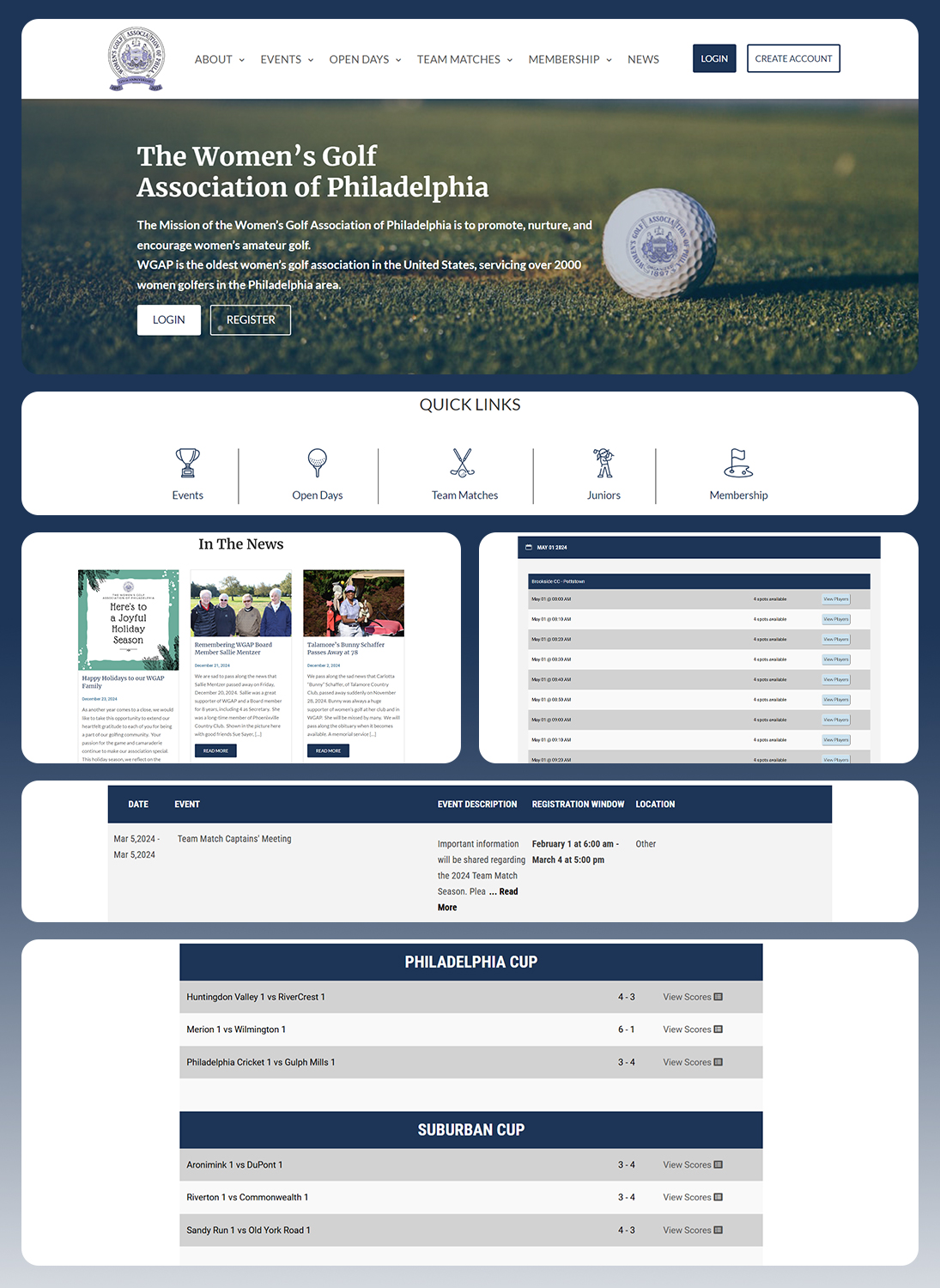
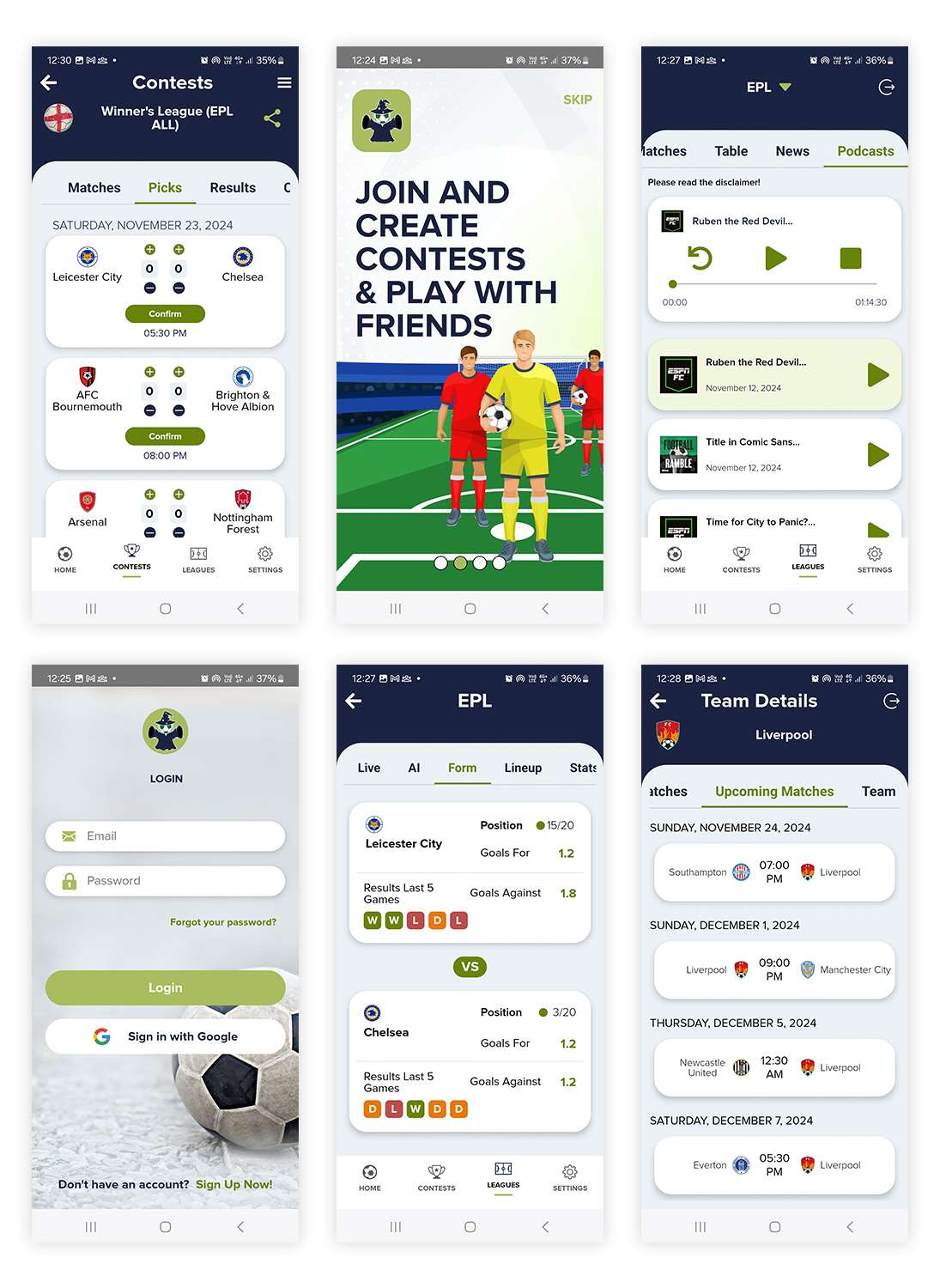
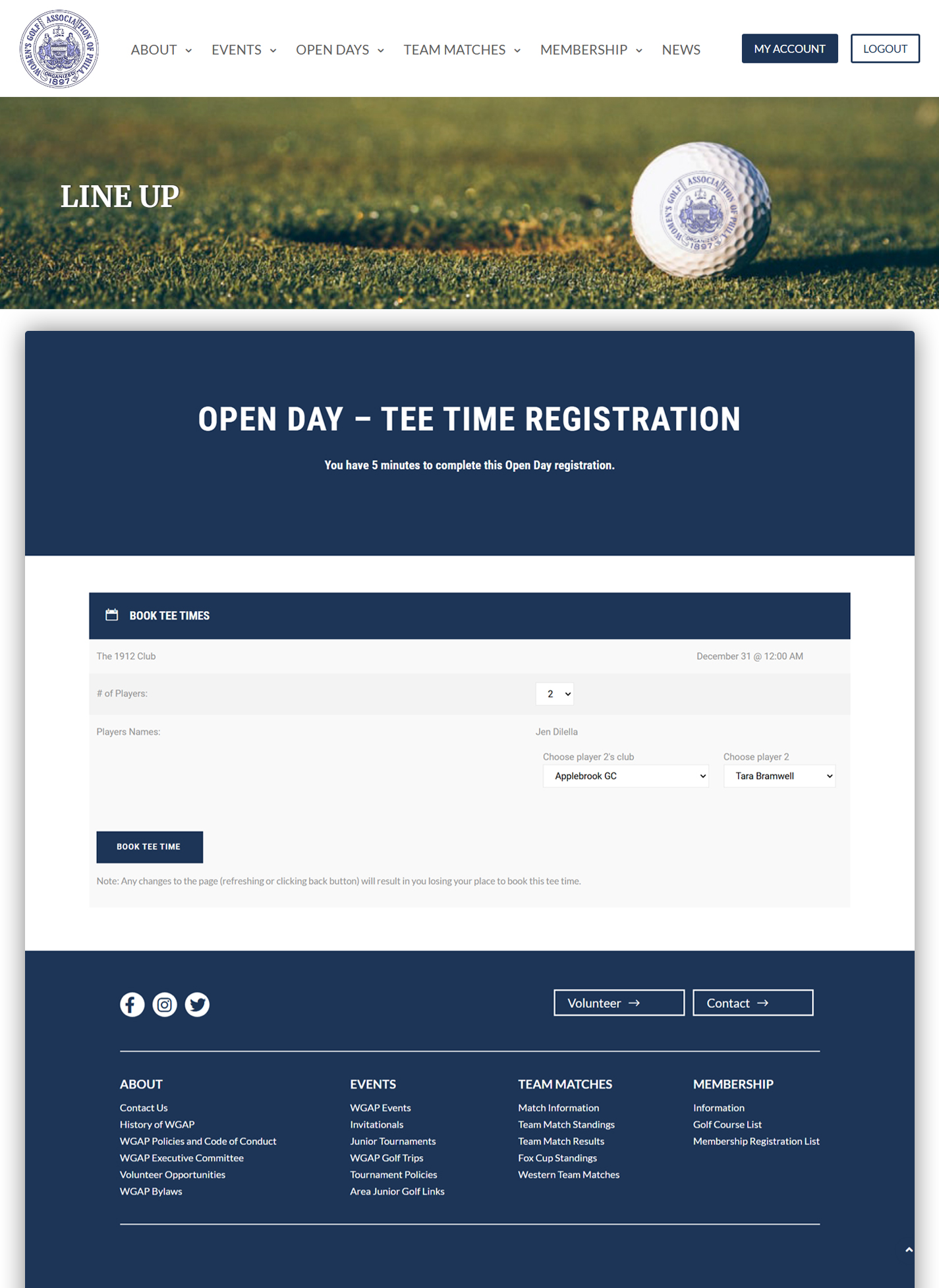
Rather than telling you what we can do, we let our work speak. Explore sports prediction app development solutions we’ve delivered for national and international-level organizations with real users and real demands.

What Our Clients Say About Our Sports Prediction App Development Services
Our clients trust us to deliver high-performance, scalable, and engaging fantasy sports platforms tailored to their business goals. From seamless user experiences to real-time scoring engines and secure payment integrations, our solutions consistently help clients launch successful fantasy sports apps across cricket, football, NFL, and other major leagues. Their feedback reflects our commitment to quality, innovation, and long-term partnership.


The guys from DynamoLogic did a good job for me. Pleased overall.
Hubert
Philippines

Great all-around development team. The team member we communicated with was great and went above and beyond. We both gained from this experience. I will hire these guys again for my future projects. The team has perseverance and will make your project great.
Lamar C.
United States
Build a Sports Prediction App with Expert UAE Development Solutions
We develop sports prediction apps that turn data into engaging user experiences for forecasting match outcomes. Our solutions focus on accuracy, performance, and user engagement. Build a platform that combines insights with interactivity.

FAQs About Sports Prediction App Development
If you’re considering partnering with us, questions are natural. We’ve answered the most common questions clients ask before starting a custom sports prediction app development project. For anything else, just get in touch.
A sports prediction app is a digital product that helps users forecast match outcomes, player performance, or game conditions using live stats, historical data, weather insights, lineup context, and sometimes athlete-readiness signals. In our case, these apps are built for education, planning, fan engagement, and entertainment purposes only, never for real-money wagering or betting.
Custom development gives you control over the prediction logic, user experience, data sources, and rollout plan. That matters when your app needs sport-specific rules, weather-aware outputs, athlete-support use cases, or market expansion later. It also helps create a cleaner product with stronger retention and better long-term flexibility.
Honestly, it depends on your goals and how serious you are about long-term growth. White-label solutions are useful when speed matters and you want to test demand quickly. But custom development makes more sense when you need differentiation, deeper control, and full ownership. White-label gets you to market faster, while custom gives you a unique platform built around your exact users and business vision.
It depends heavily on your scope and technical complexity. A white-label launch can happen fairly quickly, while a fully custom app usually takes longer because the UX, logic, and integrations are built specifically around your business. A lean MVP may take a few months, while advanced builds take longer. For a more accurate timeline based on your goals, simply give us a call, drop a message, or fill out our form.
There is no fixed price because the cost depends on your required features, supported platforms, live-data integrations, prediction complexity, AI modules, and scalability needs. Naturally, a basic prediction app costs far less than a multi-sport enterprise platform with advanced capabilities. The best way to estimate budget is around your priorities and goals, so feel free to contact us for a custom quote and realistic cost breakdown.
Look beyond just flashy portfolios or polished websites. You need a team that truly understands live sports data, prediction algorithms, weather-aware logic, and user-centric mobile UX. The right development partner should offer technical clarity, challenge weak assumptions, explain trade-offs honestly, and focus on building a sustainable product, not just something visually impressive for launch day. Always ask for proof and the development process before committing.
Yes, we do, but you need to tell us beforehand so we can plan it. Because a good multi-sport setup uses one backend with separate rules, scoring logic, and data adapters for each sport. That lets you support cricket, soccer/football, basketball, hockey, tennis, or baseball without rebuilding everything from scratch, and it makes expansion into new markets much easier.
Yes, almost always. Even when a client starts with a white-label base, meaningful customization usually becomes necessary very early on. Real sports prediction products are shaped around a defined audience, sport, and use case, so we build around your goals, not a generic template. That approach keeps your first release practical, efficient, and focused on what users actually need.
Not at all. You do not need server diagrams, API schemas, or technical documents before we begin. What we do ask of you is to have clarity on your goals, audience, and the sports prediction experience you want users to have. While we help shape the technical roadmap as the project progresses, you will always keep the process in check to ensure everything is built according to your needs. So don’t worry, we are in this together.
The biggest mistake, frankly, is trying to launch everything at once. When the first version becomes overloaded with too many features, the platform gets harder to build, slower to launch, and more confusing for users. The smartest approach is focusing on core functionality first, then expanding gradually based on actual user behavior and feedback.
Of course, we can. We usually begin with a technical and UX audit to understand what is currently working, what is slowing performance down, and what users may be struggling with. From there, we improve logic, refresh flows, visuals, performance, or infrastructure wherever needed, often without requiring a complete rebuild of your entire platform.
We get that a lot, but that does not automatically mean you need to start from scratch. In many cases, the real issues are stale data feeds, poor UX, slow loading, confusing logic, or an outdated prediction model. We carefully review the architecture, prediction flow, and user journey, then improve the weak points that are limiting growth and hurting retention.
You do. And you should always own it fully. That includes your source code, data, design assets, architecture, and overall intellectual property unless agreed otherwise upfront. We make ownership terms clear from the beginning because vendor lock-in and ownership are two different things. And both can create long-term problems. Everything is structured transparently, so you can maintain complete control once your platform goes live.
Yes, because launch is only the start. After release, we monitor performance, fix issues, improve the user journey, and keep the prediction experience stable as traffic, content, and user expectations grow. We also provide 3 months of free post-launch support with every project, and many of our long-term clients continue on discounted maintenance plans afterward for extended support. Just get in touch, and we can discuss what works best for you.
Sources
- 1. Majumder, A.S. (2025) The Influence of UX Design on User Retention and Conversion Rates in Mobile Apps [Preprint]. doi:10.48550/arXiv.2501.13407.
Let's Build Your Custom Sports Prediction App!
Discuss your idea with our specialists. We’ll help shape the right features, the right flow, and the right launch plan.
© 2026 Dynamologic Solutions All rights reserved.
Another excellent job. I have used DynamoLogic on several projects, and they continue to impress each and every time.
Ford C.
United States