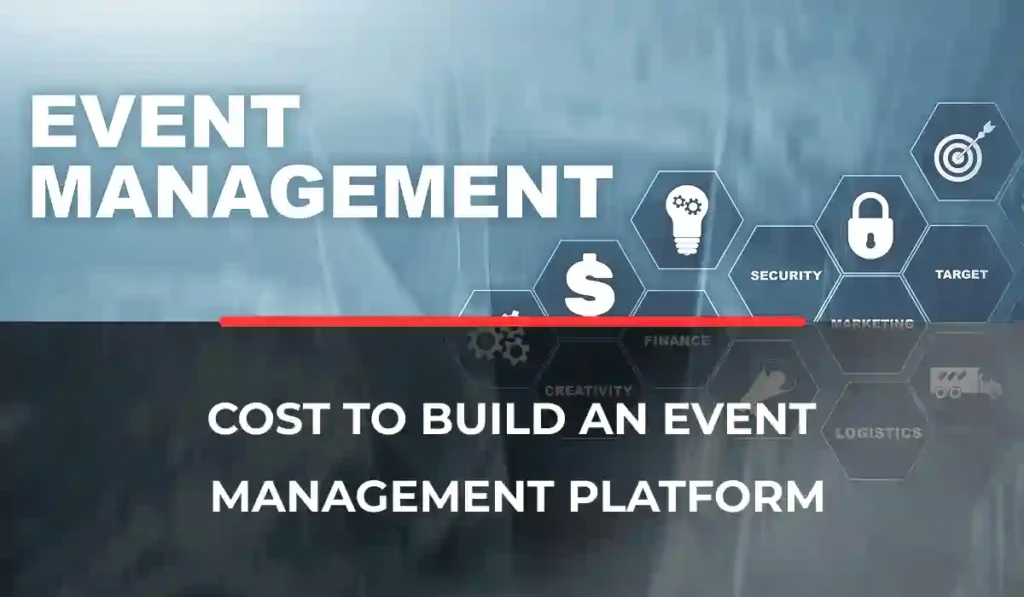
The event management industry has grown from manual planning and spreadsheets to digital platforms that manage event registration, ticket sales, attendee communication, scheduling, and event analytics.
Businesses organizing conferences, exhibitions, corporate events, weddings, concerts, and virtual events use these platforms to save time, improve organization, and deliver a better attendee experience.
A common question for businesses is, “How much does it cost to build an event management platform?” The cost depends on factors like platform features, design, integrations, technology stack, development approach, and the location of the development team. Working with experienced event management software development services can also help you build a solution that matches your business goals and budget.
In this guide, you’ll learn about the main factors that affect development costs, estimated pricing, key features, development timelines, and practical ways to control your budget. By the end, you’ll have a clear understanding of how to plan and budget for a scalable event management platform.
What Is an Event Management Platform?
An event management platform is a software solution that helps businesses plan, organize, manage, and track events from one place. It brings together important tasks like event creation, attendee registration, ticket sales, scheduling, payments, check-ins, communication, and reporting.
Many people confuse event planning software with an event management platform, but they serve different purposes. Event planning software mainly helps with planning tasks such as budgeting, vendor management, and task tracking. An event management platform goes further by supporting the complete event lifecycle, including registrations, ticketing, attendee engagement, marketing, analytics, and post-event reporting.
Event management platforms are used by businesses of all sizes, event organizers, conference planners, educational institutions, healthcare organizations, government agencies, non-profit organizations, and entertainment companies. They are suitable for both small events and large events with thousands of attendees.
Common use cases include business conferences, trade shows, exhibitions, corporate meetings, weddings, concerts, training sessions, sports events, fundraising events, virtual events, and hybrid events.
Types of Event Management Platforms
Different events have different requirements, so businesses choose platforms designed for their specific needs.
Common types include:
- Conference Management Platforms: Manage speaker sessions, attendee registration, networking, and event schedules.
- Trade Show Platforms: Support exhibitor management, booth bookings, visitor registration, and lead collection.
- Virtual Event Platforms: Host online events with live streaming, webinars, chat, and virtual networking.
- Hybrid Event Platforms: Combine in-person and virtual experiences in a single platform.
- Wedding Management Software: Help manage guest lists, invitations, seating plans, vendors, and event timelines.
- Festival & Concert Platforms: Handle ticket sales, QR code entry, crowd management, and event updates.
- Corporate Event Platforms: Organize meetings, seminars, product launches, employee events, and business conferences.
- Internal Company Event Systems: Manage employee training, workshops, team-building activities, and internal company events.
Why Businesses Invest in Event Management Software
An event management platform helps businesses save time by automating many manual tasks. Online registration, digital ticketing, automated reminders, and QR code check-ins reduce paperwork and improve team productivity.
The platform also creates a better attendee experience. Guests can register online, receive instant confirmations, access event schedules, buy tickets, and get real-time updates from one place.
Businesses can increase ticket sales through online booking, multiple payment options, promotional campaigns, and early-bird offers. As organizations grow, an event management platform improves operational efficiency by managing multiple events, reducing errors, and simplifying daily operations.
How Much Does It Cost to Build an Event Management Platform?
The cost of building an event management platform depends on the number of features, platform complexity, design requirements, integrations, and the development team’s experience. A simple platform costs much less than an enterprise solution with AI, live streaming, and CRM integrations.
The table below provides estimated development costs for the UAE market based on common project scopes.
| Platform Type | Features Included | Estimated Cost (AED) |
|---|---|---|
| Basic Platform | Event listings, registration, basic ticketing, email confirmations, admin dashboard | AED 55,000 – AED 110,000
|
| Mid-Level Platform | All basic features, mobile app, payment gateway, QR check-in, notifications, analytics, speaker management | AED 110,000 – AED 275,000
|
| Enterprise Platform | AI recommendations, multi-event management, white-label solution, CRM integration, marketing automation, live streaming, sponsor management, advanced reporting | AED 275,000 – AED 700,000+ |
Basic Event Management Platform
A basic event management platform is suitable for startups, small businesses, and organizations managing a limited number of events each year. It typically includes event listings, attendee registration, basic ticket booking, email confirmations, and an admin dashboard to manage events and registrations.
Estimated Cost: AED 55,000 to AED 110,000
Mid-Level Event Management Platform
A mid-level platform is designed for growing businesses that need more automation and a better attendee experience. Along with the basic features, it includes a mobile app, payment gateway integration, QR code check-in, push notifications, analytics, and speaker management.
Estimated Cost: AED 110,000 to AED 275,000
Enterprise Event Platform
An enterprise event platform is built for businesses that manage large-scale or multiple events throughout the year. It includes advanced capabilities such as AI-powered event recommendations, multi-event management, white-label branding, CRM integration, marketing automation, live streaming, sponsor management, and advanced reporting. These platforms also require stronger security, higher scalability, and custom integrations.
Estimated Cost: AED 275,000 to AED 700,000+
Factors That Affect Development Cost
The cost of building an event management platform depends on many factors, including its complexity, features, design, integrations, and scalability. Understanding these factors can help you estimate your budget and choose the right development approach.
Platform Complexity
The more complex your platform is, the higher the development cost. A simple platform with basic registration and ticketing features costs much less than an enterprise solution with AI, live streaming, multi-event management, and advanced reporting.
Number of Features
Every feature added to the platform increases development time and cost. Basic features like event registration and ticket booking require less effort, while advanced modules such as networking, marketing automation, and analytics require more development and testing.
Web vs Mobile vs Both
The platforms you choose also affect the overall cost. A web-only platform is usually the most affordable option. Developing separate Android and iOS apps increases the budget, while cross-platform development offers a more cost-effective way to support both mobile operating systems.
UI/UX Design Requirements
Custom UI/UX design requires additional time and investment. Features like branded interfaces, responsive layouts, intuitive navigation, and accessibility improvements help create a better user experience but also increase development costs.
Third-Party Integrations
Connecting your platform with payment gateways, email marketing tools, CRM systems, calendars, maps, and live streaming services adds valuable functionality. However, each integration requires development, testing, and maintenance, which increases the overall project cost.
Scalability Requirements
Platforms designed to support thousands of users and large events require stronger cloud infrastructure and performance optimization. Building for high traffic, concurrent users, and future growth increases the initial development cost but ensures the platform remains fast, stable, and reliable as your business expands.
Planning to Build an Event Management Platform?
Turn your event idea into a secure, scalable, and user-friendly platform built around your business goals. Our experienced developers create custom event management solutions that help streamline operations and deliver a seamless attendee experience.
Core Features of an Event Management Platform
The success of an event management platform depends on the features it offers. The right combination of tools helps businesses simplify event planning, improve attendee engagement, and manage operations more efficiently.
User Registration & Login
A secure registration and login system allows attendees to create accounts, sign in, and manage their event information. It also helps organizers collect attendee data and provide a personalized experience.
Event Creation & Management
This feature allows organizers to create events, update event details, manage venues, set schedules, and monitor registrations from a single dashboard. It makes event planning faster and more organized.
Ticket Booking
An online ticket booking system lets attendees reserve and purchase tickets in just a few steps. It reduces manual work and helps increase ticket sales through a simple booking process.
Online Payments
Payment integration allows attendees to pay securely using different payment methods. It speeds up transactions, improves user convenience, and reduces payment-related issues.
Event Scheduling
Event scheduling helps organizers create agendas, manage sessions, and update event timelines. Attendees can easily view schedules and stay informed about upcoming activities.
Speaker & Session Management
This feature allows organizers to manage speaker profiles, session details, presentation times, and event agendas. It keeps event information organized and easy for attendees to access.
Attendee Profiles
Attendee profiles store registration details, ticket information, event history, and personal preferences. This helps create a more personalized event experience.
QR Code Ticketing
QR code tickets make entry faster and more secure. Each attendee receives a unique digital ticket that can be scanned during check-in, reducing waiting times and preventing duplicate entries.
Check-In Management
A digital check-in system allows event staff to verify attendees quickly using QR codes or mobile devices. It improves entry management and provides real-time attendance data.
Notifications & Reminders
Push notifications, emails, and SMS reminders keep attendees informed about event updates, schedule changes, and important announcements. This improves communication and reduces missed sessions.
Reviews & Feedback
Feedback forms and rating systems help organizers understand attendee satisfaction and identify areas for improvement. The insights can be used to plan better events in the future.
Analytics Dashboard
An analytics dashboard provides real-time reports on registrations, ticket sales, attendance, revenue, and attendee engagement. These insights help businesses measure event performance and make better decisions for future events.
Advanced Features That Increase Development Cost
Advanced features make an event management platform more powerful and scalable, but they also require more development time, testing, and maintenance. Businesses should choose these features based on their long-term goals and budget.
AI-Powered Event Recommendations
AI can recommend sessions, speakers, exhibitors, or networking opportunities based on attendee interests and behavior. Building AI models and recommendation engines requires additional development and data processing, making this feature more expensive.
Virtual Event Hosting
Virtual event hosting allows attendees to join sessions online through live streaming, webinars, and interactive presentations. It requires video streaming technology, strong server infrastructure, and real-time communication features, which increase development costs.
Hybrid Event Support
Hybrid platforms combine in-person and virtual events in one system. Supporting both experiences requires additional features, synchronization, and testing, making development more complex than a standard event platform.
Networking & Matchmaking
Networking tools connect attendees with people who share similar interests, industries, or business goals. Smart matching algorithms, profile management, and meeting scheduling require additional development effort.
Live Chat & Messaging
Real-time messaging allows attendees, speakers, and exhibitors to communicate during the event. Building secure and reliable chat functionality requires backend infrastructure, notifications, and message management.
Sponsor & Exhibitor Portals
Dedicated portals allow sponsors and exhibitors to manage their profiles, booths, promotional content, and lead generation activities. These dashboards require custom workflows and additional user management features.
Gamification
Gamification includes points, badges, leaderboards, quizzes, and rewards to increase attendee engagement. Creating interactive experiences and tracking user activities add to the overall development effort.
Multi-language Support
Supporting multiple languages allows businesses to reach a global audience. Developers must localize the platform, manage translations, and ensure the interface works correctly across different languages.
Multi-currency Payments
Multi-currency support allows attendees to pay in their preferred currency. It requires payment gateway configuration, currency conversion, pricing management, and additional testing for different regions.
White-Label Platform
A white-label platform allows businesses to customize branding, colors, logos, and domain names for different clients. Building flexible branding options and managing multiple client environments requires significant development effort, making it one of the more expensive advanced features.
Event Management Platform Development Cost by Feature
The cost of an event management platform is influenced by the features you choose. Some modules are simple to develop, while others require complex integrations, security measures, and ongoing maintenance.
Registration Module
The registration module is one of the core features of an event management platform. Development costs depend on requirements such as custom registration forms, user authentication, profile management, and attendee data collection.
Ticketing System
A ticketing system becomes more expensive as additional capabilities are added. Features like multiple ticket types, discount codes, seat selection, refunds, and ticket validation require more development and testing.
Payment Integration
Payment integration involves securely connecting the platform with payment gateways. Supporting multiple payment methods, currencies, and secure transactions increases both development effort and compliance requirements.
Mobile App
Building a mobile app requires additional development beyond the web platform. The cost depends on whether you need Android, iOS, or a cross-platform application, as well as the number of mobile-specific features included.
Analytics Dashboard
A basic dashboard with standard reports is relatively simple to build. More advanced dashboards that provide real-time insights, custom reports, attendee behavior analysis, and data visualization require greater development effort.
CRM Integration
Connecting the platform with a CRM allows attendee and customer data to sync automatically. Development costs vary depending on the CRM platform, the amount of data being shared, and the level of automation required.
Email Automation
Email automation includes confirmation emails, reminders, promotional campaigns, and post-event follow-ups. More personalized workflows and advanced automation increase development complexity.
Live Streaming
Live streaming is one of the more advanced features to develop. It requires video streaming technology, strong server infrastructure, real-time communication, and reliable performance to support large audiences.
Admin Dashboard
The admin dashboard gives organizers full control over events, attendees, tickets, and reports. Development costs increase as more management tools, permissions, reporting features, and custom workflows are added.
Event Management Platform Development Timeline
The time required to build an event management platform depends on its complexity, features, integrations, and customization requirements. A basic platform can be completed in a few months, while an enterprise solution with advanced functionality takes longer to design, develop, and test.
| Platform Type | Typical Development Timeline |
|---|---|
| Basic Event Management Platform | 2 to 3 months |
| Mid-Level Event Management Platform | 4 to 6 months |
| Enterprise Event Management Platform | 6 to 12 months |
Discovery & Planning
The project begins with understanding business goals, target users, required features, and technical requirements. A clear project roadmap helps reduce risks and keeps development on schedule.
UI/UX Design
During this stage, designers create wireframes, user journeys, and interface designs to deliver a simple and user-friendly experience across desktop and mobile devices.
Frontend Development
Frontend developers build the parts of the platform that users interact with, including event pages, registration forms, ticket booking, dashboards, and attendee portals.
Backend Development
The backend powers the platform’s core functionality, including user management, event management, databases, APIs, security, payments, and business logic.
Integration
The platform is connected with third-party services such as payment gateways, CRM systems, email marketing tools, calendars, maps, and live streaming solutions.
Testing & QA
Before launch, the platform is tested to identify bugs, improve security, verify performance, and ensure all features work correctly across different browsers and devices.
Deployment
After successful testing, the platform is deployed to the live environment, where final checks are completed before it becomes available to users.
Post-Launch Support
Development continues after launch through regular maintenance, security updates, bug fixes, performance improvements, and new feature releases as the platform grows.
Technology Stack Used to Build Event Management Platforms
The technology stack you choose affects your platform’s performance, scalability, security, development cost, and future maintenance. An experienced provider of custom software development services can help you select the right technologies based on your business goals and long-term growth plans.
Frontend Technologies
Frontend technologies control how users interact with the platform. Frameworks like React, Angular, and Vue.js help developers build fast, responsive, and user-friendly interfaces. The right frontend technology improves performance and supports future feature updates.
Backend Technologies
The backend manages the platform’s core functionality, including user accounts, event management, payments, and databases. Technologies such as Node.js, Laravel, .NET, and Django are widely used because they offer strong security, scalability, and reliable performance for event management platforms.
Mobile Technologies
If your platform includes a mobile app, choosing the right development framework is important. Flutter and React Native allow developers to build Android and iOS apps from a single codebase, helping reduce development time and cost. Native app development offers greater customization and performance but usually requires a larger budget. Partnering with a skilled mobile app development team helps businesses choose the best approach.
Cloud Infrastructure
Cloud platforms like AWS, Microsoft Azure, and Google Cloud provide the infrastructure needed to host and scale event management platforms. Cloud services improve reliability, support high traffic during ticket sales, and make it easier to expand the platform as your business grows.
Databases
Databases store important information such as attendee records, event details, ticket sales, and payment data. PostgreSQL, MySQL, and MongoDB are popular choices because they offer reliable performance, strong security, and the flexibility to manage growing amounts of data.
Additional Costs to Consider
Building an event management platform is only part of the total investment. Businesses should also plan for ongoing operational expenses to keep the platform secure, reliable, and up to date after launch.
- UI/UX Design: Custom designs, design updates, and user experience improvements may be needed as your platform grows and user expectations change.
- Cloud Hosting: Hosting costs depend on your traffic, storage, bandwidth, and server resources. Larger events with high visitor numbers usually require more cloud capacity.
- Domain & SSL: You’ll need to renew your domain name and SSL certificate regularly to keep your website secure and accessible.
- Third-Party APIs: Services such as maps, live streaming, email marketing, CRM platforms, and analytics tools may charge monthly or usage-based fees.
- Payment Gateway Fees: Payment providers typically charge a transaction fee for every ticket purchase or online payment processed through the platform.
- SMS & Email Services: Sending registration confirmations, reminders, OTPs, and promotional messages often involves ongoing charges based on the number of messages sent.
- Maintenance & Support: Regular updates, bug fixes, security patches, performance improvements, and technical support help keep the platform running smoothly over time.
- Security & Compliance: Ongoing security monitoring, backups, vulnerability testing, and compliance with data protection regulations require continuous investment to protect user information and maintain platform reliability.
How to Reduce Event Management Platform Development Costs
Building a custom event management platform doesn’t have to exceed your budget. With the right development strategy, you can reduce costs while still creating a scalable and high-quality solution.
Build an MVP First
Start with a Minimum Viable Product (MVP) that includes only the essential features needed for launch. It allows you to enter the market faster, gather user feedback, and add advanced features over time.
Prioritize Essential Features
Focus on features that deliver the most value to your users, such as event registration, ticket booking, payments, and event management. Less critical features can be added in future updates.
Use Agile Development
Agile development breaks the project into smaller phases, making it easier to manage budgets, prioritize features, and make changes without delaying the entire project.
Choose Cross-Platform Development
If you need a mobile app, cross-platform frameworks like Flutter or React Native allow you to build one application for both Android and iOS. This reduces development time, maintenance effort, and overall costs.
Reuse Existing APIs
Using trusted third-party APIs for payments, maps, email services, and authentication is often more affordable than building these features from scratch. It also speeds up development and improves reliability.
Partner with an Offshore Development Company
Working with an experienced offshore software development company can significantly reduce development costs while maintaining quality. Many businesses choose offshore teams to access skilled developers, flexible engagement models, and competitive pricing without compromising on the final product.
Common Challenges in Event Management Platform Development
Building an event management platform comes with technical challenges that can affect performance, security, and the user experience. Experienced developers use proven technologies and best practices to ensure the platform remains reliable as it grows.
- Handle high-ticket demand with scalable cloud infrastructure and load balancing.
- Protect online payments using secure payment gateways and data encryption.
- Deliver real-time updates for schedules, ticket availability, and announcements.
- Prevent double bookings through real-time validation and database synchronization.
- Support peak traffic with performance optimization and scalable architecture.
- Protect attendee data with strong security measures and compliance standards.
Industries That Benefit from Event Management Platforms
Event management platforms help organizations automate event planning, improve attendee experiences, and manage operations more efficiently. They can be customized to meet the needs of different industries and event types.
Corporate Events
Businesses use event management platforms to organize meetings, product launches, employee training, seminars, and team-building events while managing registrations and schedules from one place.
Conferences
Conference organizers use these platforms to manage speaker sessions, attendee registrations, ticket sales, networking opportunities, and event agendas for large-scale conferences.
Trade Shows
Trade show organizers can manage exhibitor registrations, booth bookings, visitor check-ins, event schedules, and lead collection more efficiently.
Education
Schools, universities, and training institutes use event management platforms for workshops, graduation ceremonies, academic conferences, webinars, and student events.
Healthcare Events
Hospitals and healthcare organizations use these platforms to manage medical conferences, training sessions, health awareness campaigns, and professional seminars.
Entertainment
Concerts, festivals, and live entertainment events use event management platforms for ticket sales, QR code entry, attendee communication, and event updates.
Non-Profit Organizations
Non-profit organizations use event management software to organize fundraising events, charity runs, volunteer programs, and community campaigns while managing registrations and donations.
Sports Events
Sports organizations use these platforms to manage tournaments, competitions, ticket bookings, participant registrations, event schedules, and spectator communication.
Build vs Buy: Should You Develop a Custom Event Management Platform?
Businesses can either build a custom event management platform or purchase an existing solution. The right choice depends on your budget, business goals, and long-term growth plans.
Custom Development
Custom development is ideal for businesses with unique requirements or long-term growth plans. It gives you complete ownership, supports custom workflows, and allows the platform to scale as your business expands. You also gain a competitive advantage by offering features tailored to your specific needs.
Off-the-Shelf Solutions
Off-the-shelf solutions are a good option for businesses that need to launch quickly with a smaller upfront investment. However, they provide limited customization, ongoing subscription fees, and vendor lock-in, making them less flexible as business requirements change.
Build a Scalable Event Management Platform That Grows with Your Business
Our team designs and develops custom event management platforms tailored to your business model, ensuring scalability, security, and an exceptional user experience from day one.
FAQs
How much does it cost to build an event management platform?
The cost depends on the platform’s features, complexity, integrations, and development team. In the UAE, a basic platform may cost AED 55,000 -110,000, while advanced enterprise solutions can exceed AED 700,000.
What features should an event management platform include?
Essential features include user registration, event management, ticket booking, online payments, event scheduling, attendee profiles, QR code ticketing, notifications, analytics, and an admin dashboard.
How long does it take to develop event management software?
A basic event management platform typically takes 2 -3 months to build. Mid-level platforms usually require 4 -6 months, while enterprise solutions can take 6 -12 months, depending on the project scope.
What factors affect the cost of event management software development?
The biggest cost factors include platform complexity, number of features, UI/UX design, mobile app development, third-party integrations, cloud infrastructure, and scalability requirements.
Should I build a custom event management platform or use an existing solution?
A custom platform offers full ownership, scalability, and flexibility but requires a higher initial investment. An off-the-shelf solution is faster to launch and costs less upfront, but provides limited customization.